
Long-term money saving is not about one-time actions but about building strong financial habits. These habits help you grow wealth slowly and steadily over time. One of the best habits is paying yourself first. As soon as you receive your...

Long-term financial success is often the result of small daily habits rather than major financial decisions. Consistent actions, even seemingly minor ones, can create meaningful savings over time. One effective habit is tracking daily expenses. Writing down or logging what...

Setting clear financial goals helps you stay focused and motivated to save money. Without goals, saving can feel pointless, making it easier to spend instead of save. Start by defining short-term and long-term goals. Short-term goals may include saving for...

Managing family expenses can be challenging, but smart money saver tips can make a big difference. Household budgets often include groceries, school fees, medical costs, and utilities, so planning is very important. One effective tip is to plan meals in...

Long-term planning is essential for building wealth and achieving financial goals. One of the most effective money saver tips is to think beyond short-term needs and focus on your future. Setting clear financial goals, such as buying a home, funding...
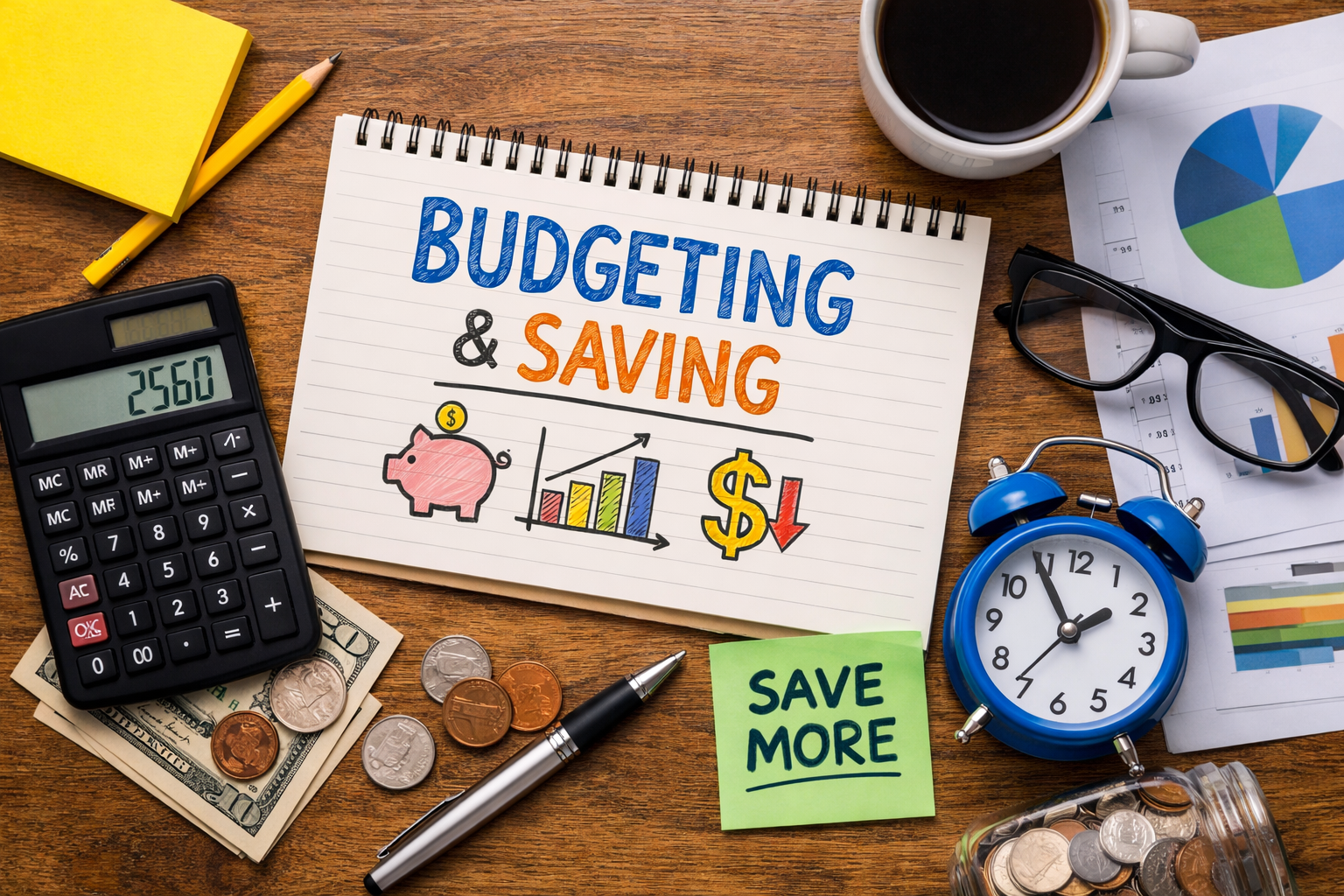
Managing your money starts with a well-planned budget. Budgeting helps you track your income, prioritize expenses, and allocate funds to savings. Begin by listing your monthly income and fixed expenses like rent, utilities, and subscriptions. Then, identify areas where spending...

Saving and investing are essential for building long-term financial security. While saving helps protect your money, investing helps grow it over time. Understanding the basics can help beginners make smarter financial decisions. Start with regular savings. Set aside a portion...

Saving money is not about earning more alone—it’s about managing what you already have wisely. Developing smart money-saving habits can help you stay financially secure and stress-free. The first step is tracking your expenses. Many people are unaware of where...
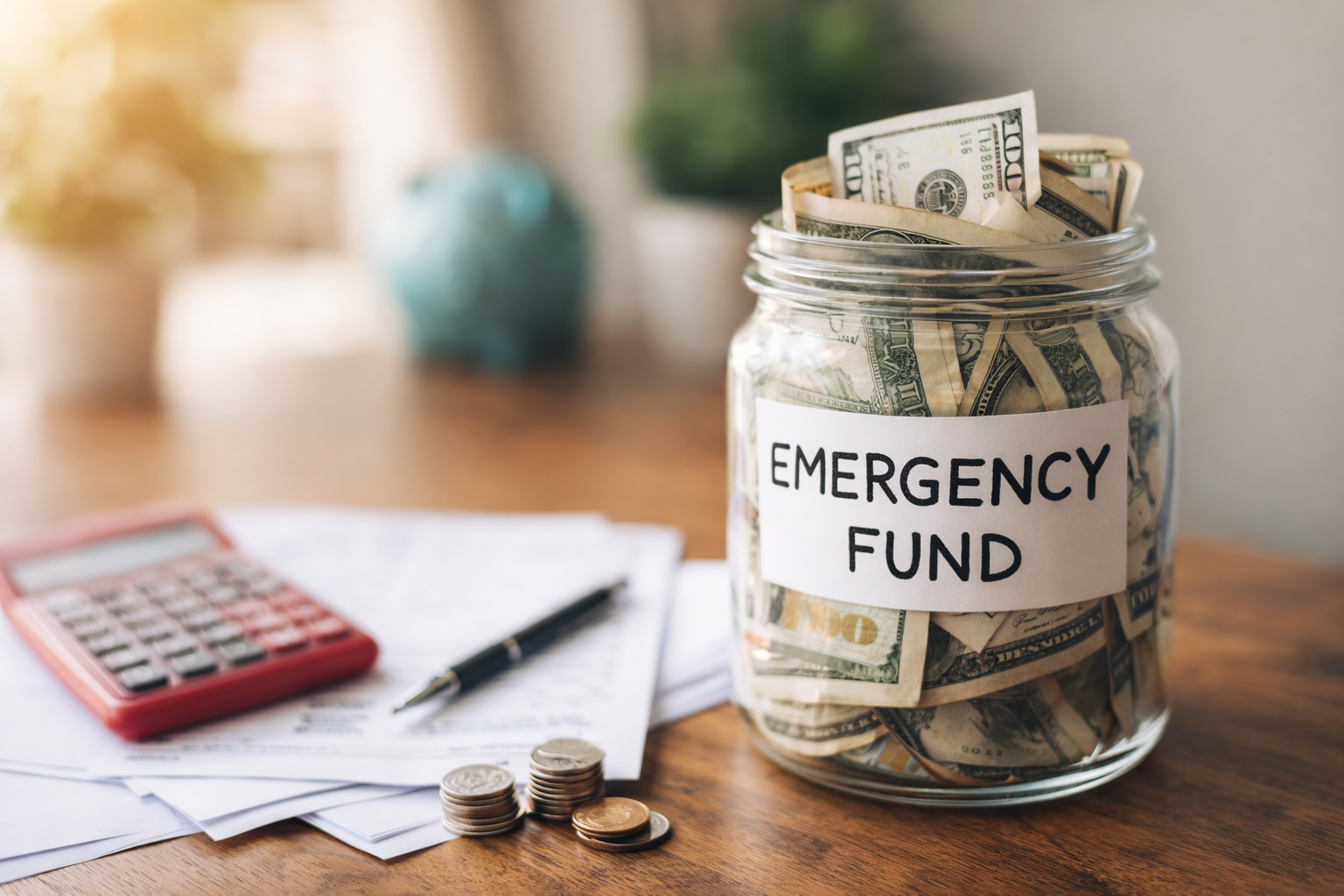
An emergency fund is essential for financial stability. It protects you from unexpected expenses like medical bills, job loss, or urgent repairs without relying on credit cards or loans. Start small. Even saving a small amount each month builds momentum....

Saving money doesn’t always require big lifestyle changes—small, consistent habits can make a huge difference over time. One of the simplest money saver tips is tracking your daily expenses. When you know where your money is going, it becomes easier...