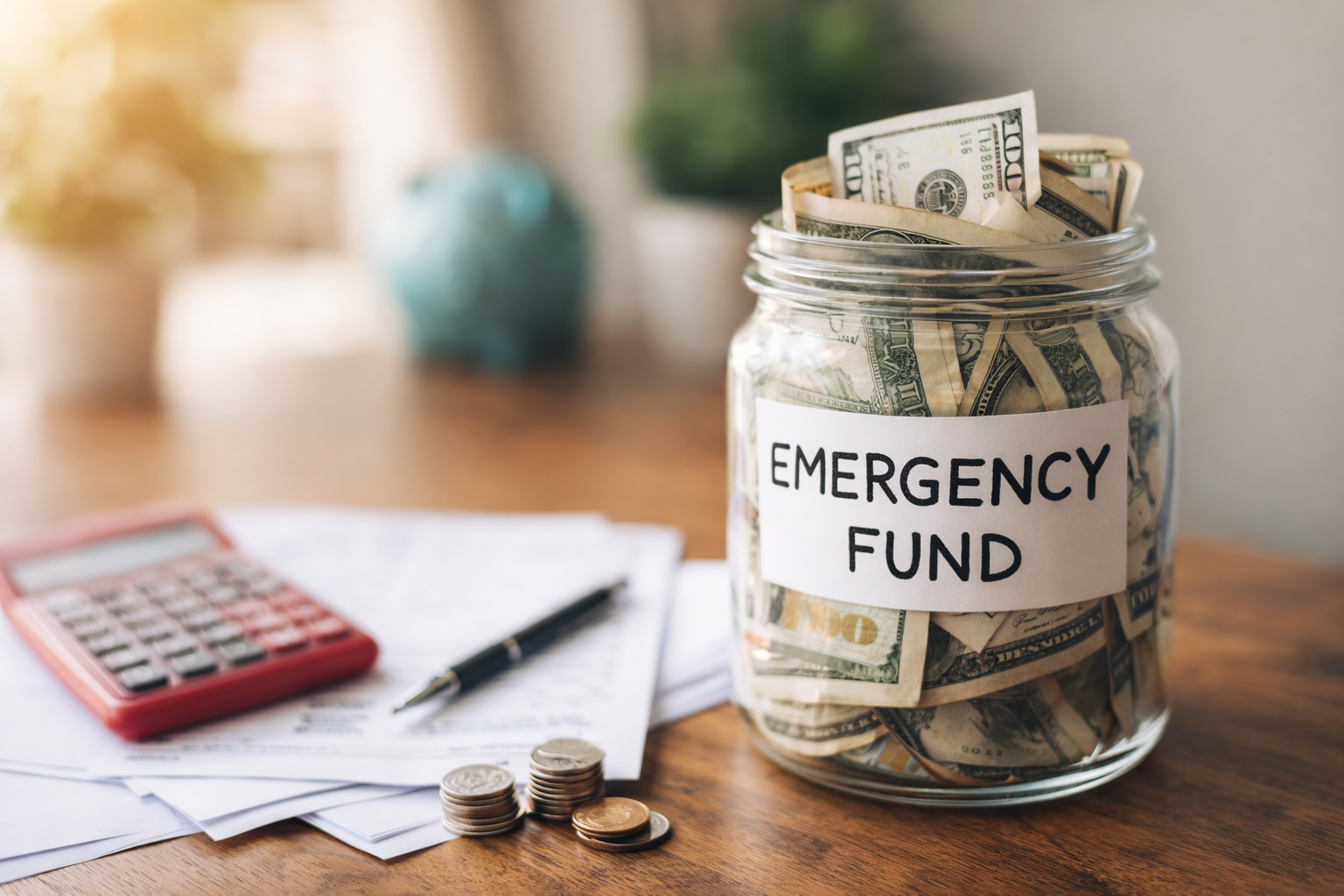
An emergency fund is essential for financial stability. It protects you from unexpected expenses like medical bills, job loss, or urgent repairs without relying on credit cards or loans.
Start small. Even saving a small amount each month builds momentum. Set a realistic goal, such as saving three to six months’ worth of expenses, and work toward it gradually. Automating your savings ensures consistency and removes the temptation to spend.
Keep your emergency fund in a separate savings account that is easily accessible but not too tempting to dip into. High-interest savings accounts are a good option as they help your money grow slightly over time.
Whenever you receive extra income—such as bonuses, tax refunds, or incentives—consider adding a portion to your emergency fund. Avoid using this fund for non-emergencies to maintain its purpose.
Building an emergency fund takes time, but once in place, it provides peace of mind and financial confidence during uncertain situations.