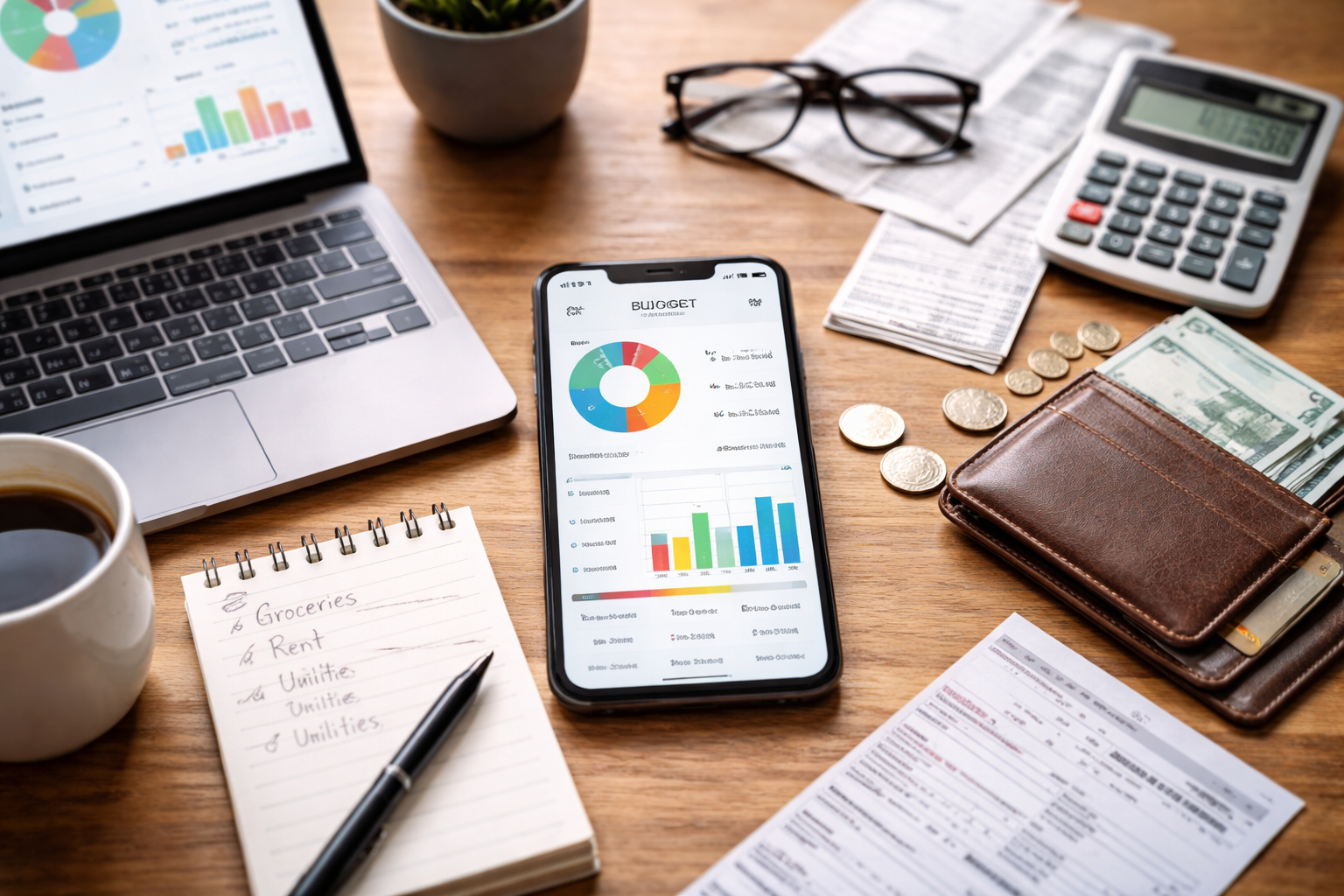
Traditional budgeting — listing monthly incomes and expenses on paper — simply isn’t enough anymore. Today’s money savers use dynamic budgeting systems that adjust in real‑time using technology. Tools like expense‑tracking apps, bank alerts, and financial dashboards give insight into spending patterns, so you can optimize your finances more intelligently.
Dynamic budgeting works by continually categorizing your expenses and providing instant feedback on spending habits. For example, linking your credit card and bank accounts to a budgeting app allows the software to categorize transactions automatically. You can then see where your money goes — groceries, entertainment, transport — and set smart limits.
More advanced tools leverage AI analytics to predict future spending trends based on past behavior. With predictive analytics, you can forecast when you might overshoot your grocery or utility budget and adjust proactively rather than reactively.
Another useful practice is using digital envelopes, a modern twist on an old cash‑envelope method. Here, you assign portions of your budget to virtual envelopes for categories like savings, utilities, or irregular expenses like car repairs. When an envelope’s balance is low, you’re prompted to postpone non‑essential purchases.
Technology also helps you identify subscription leakage, which occurs when you unknowingly pay for recurring services you no longer use. Regular audits through apps can flag these services so you can cancel and redirect funds toward savings or higher‑priority goals.
Finally, smart budgeting tools can sync with your financial goals — from a vacation fund to retirement planning — and track your progress with visual graphs and milestone alerts, fostering accountability and motivation.
Dynamic budgeting turns passive saving into an active, data‑driven process, transforming how you manage and optimize every rupee flowing through your finances.